The Different Ways People Are Building Their Families Today

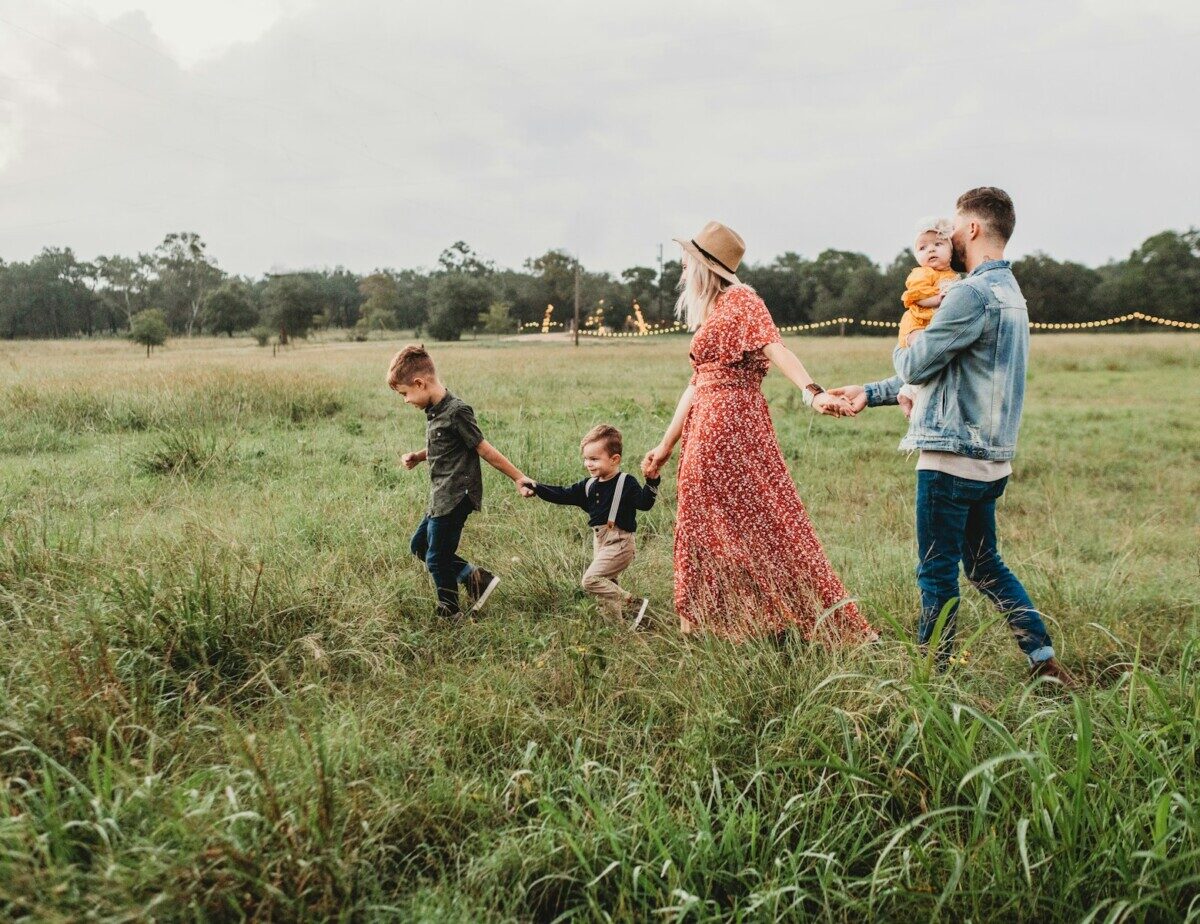
Family life in the UK looks different from how it did a generation ago. Fewer households fit the old idea of two married parents raising their birth children under one roof, and that isn’t a sign of anything going wrong. It reflects the range of routes people take to build a family, whether through birth, adoption, fostering, a new partnership or the support of relatives.
Understanding these paths matters because so many families now include at least one of them. A child might live with a grandparent, a stepparent, a foster carer or two parents of the same sex, and each arrangement looks different day to day, though the goal, giving a child a stable home, stays the same.
Fostering as a Route to a Stable Home
Opening a home to a child who isn’t your own, even temporarily, is what foster care asks of ordinary families, needed whenever a child’s family can’t look after them. Carers don’t need a particular background, just a few things most households can already offer:
- A spare bedroom and genuine time to give a child
- Patience to help them settle into an unfamiliar routine
- A willingness to attend training and work alongside a social worker
Every agency runs an informal first conversation before anything begins, and most people find it removes more uncertainty than expected. Learn More about how the training, home visits and panel stages unfold, well before any child is placed.
Blended Families Formed Through New Relationships
When a parent starts a new relationship after separation or bereavement, the household that forms often brings together children from more than one family history. Roughly 1.1 million dependent children in England and Wales now live in a blended stepfamily household, making this one of the more common family structures rather than an unusual one.
Families Built Through Adoption
Adoption gives a permanent legal home to a child who can’t return to their birth family, and the process has opened up to reflect the range of people who can offer it. Couples, single people and same-sex parents are assessed on the same basis today, judged on the quality of care they provide rather than the shape of the household.
Grandparents and Relatives Stepping in to Raise a Child
Sometimes it’s a grandparent, an aunt or an older sibling who takes on day-to-day care when a child’s parents can’t. This kind of care, most often arranged within a family rather than through a formal placement, has been rising steadily over the past decade.
Families Built Through Fertility Treatment and Surrogacy
Donor conception, IVF and surrogacy have given many people a route to parenthood that wouldn’t have existed decades ago, including couples with fertility difficulties, same-sex couples and people building a family alone. Who legally counts as a parent depends on the circumstances of conception, which is why couples on this route are generally advised to get legal advice early.
Taken together, these paths show there’s no single template for a family, only the shared aim of giving a child somewhere secure to grow up. Whichever route a family takes, the day-to-day reality, school runs, homework and bedtime stories, looks remarkably similar once the household has settled.