What To Know Before Building A Garden Pond

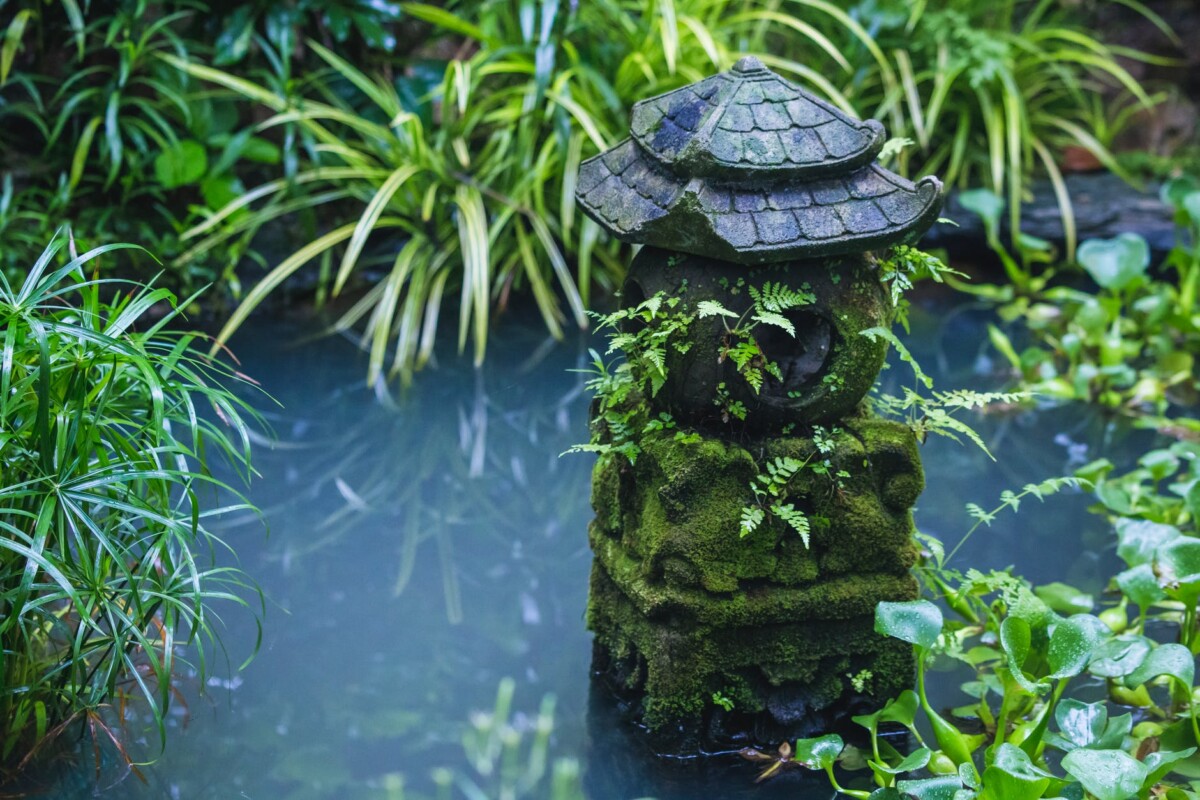
There are so many reasons to have a pond in your garden: they are beautiful to look at, fun to maintain, not to mention, they’re relaxing too. They can turn a relatively plain outside space into something elegant and attractive. Yet you shouldn’t take the preparation element of building a pond for granted; there is a lot to think about if you want to ensure the end result is as good as you imagine it to be. With that in mind, here are some pointers you’ll need to consider before you build a garden pond. Once you’ve thought all these elements through, you’ll be able to move forward with your pond building quite happily and successfully.
Decide On The Depth
While choosing the general size – as in, width and length – of your pond is important, of course, so too is choosing the right depth. Will your pond be shallow or deep? Knowing this in advance will help you prepare correctly and budget well.
The deeper a pond is, the harder it is to see the bottom. This means you might not see the fish you have bought, and it could be harder to maintain since you won’t be able to tell, at a glance, how clean the water is. If you want to be able to see everything in your pond and clean it more easily, a shallower pond might be better. However, shallow ponds are often quicker to build up with algae because the light can penetrate more of the overall amount of water in one go. Weigh up the pros and cons so you know from the start exactly how deep you want your pond.
It’s Not Just A Pond Liner
So, you want a pond and you find a pond liner that works for the size you need. You dig a hole and place the pond liner inside, add some water, plants and maybe some fish, and you’re set. Aren’t you? In reality, this is not how to go about installing a pond. If you left things like this, the water would become contaminated quickly with both single-cell algae and other rubbish that is blown in, and the fish and plants would be at risk of dying.
As well as a hole and a pond liner, you’ll need some other pieces of equipment. To begin with, you’ll need a good pump, such as those at water-garden.co.uk.
You’ll also need filters and beneficial bacteria to clean the pond. A net to scoop out rubbish is a good idea, too. Plus, for safety reasons and to keep the water as uncontaminated as possible, you may wish to consider installing a net or mesh over the top of the pond, or perhaps a fence around it. These safety measures are particularly important if the pond is in a space accessible to children or pets. Additionally, a pond aeration system is worth considering for maintaining water quality and supporting aquatic life. Aeration systems provide essential oxygen to the pond, promoting a healthier ecosystem and reducing the buildup of algae and debris. They are particularly beneficial for larger ponds or those exposed to direct sunlight, where water stagnation can become an issue. So, remember to add all these things to your budget, as they could make the difference in ensuring your pond is not only beautiful but also clean, safe, and sustainable for years to come.
Find The Right Location
Perhaps there is a spot in your garden that just calls out for a pond, so that’s where you’ve decided to put it. Is that really the best place, though? Perhaps it would be better to scout around for somewhere else, just to be sure. Remember, you don’t want to install a pond where it will be in direct sunlight for long periods of time since this will lead to fast algae growth. A shady spot, however, could mean that you end up with more leaves and other organic debris in the water, making it harder to maintain.
Think carefully about where the pond will go and be prepared to do more cleaning if it’s a shady spot or to add more water treatments if it’s sunny. As long as you know this is what you’ll need to do, you can pick any spot that suits you.