How to Keep Your Pool Clean Without Turning It Into a Weekend Job

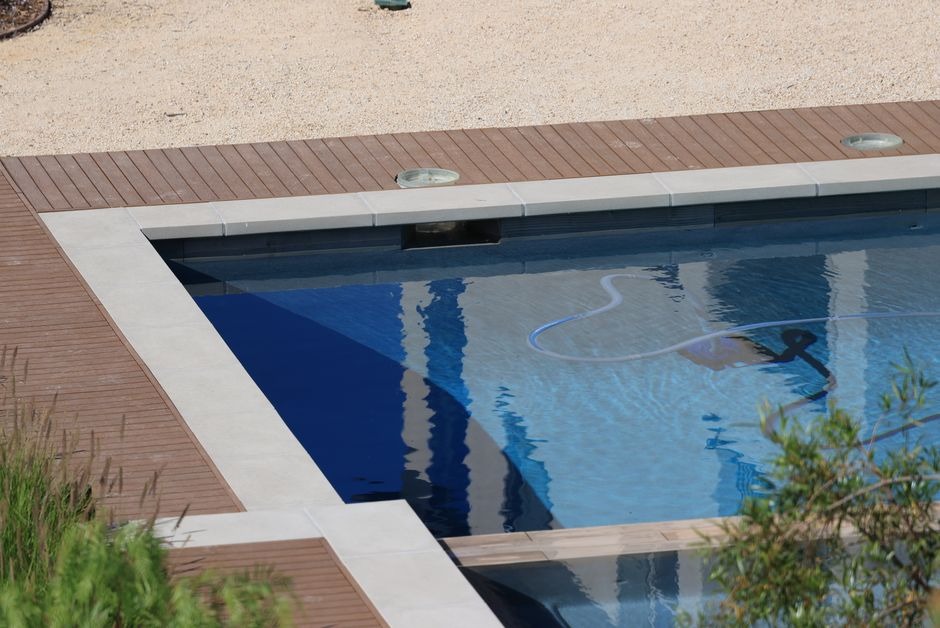
If you live in a place like Gilbert, Arizona, your pool gets a lot of action. Long hot months, dust in the air, and plenty of sunshine make swimming tempting but also make maintenance less optional than it sounds. A clean pool looks great, feels better, and saves you from bigger repair bills later. You don’t need to become a chemistry expert, but you do need a smart routine that matches the climate and your schedule.
Start With What Makes Pools Get Dirty Fast
A pool rarely gets dirty from one dramatic event. It usually happens through a steady pileup of small things: windblown dust, sunscreen, leaves, bugs, body oils, and unbalanced water chemistry.
In dry, warm areas, fine debris can sneak in daily even when your yard looks tidy. Add a few swimmers, one monsoon storm, and a missed filter cycle, and your water can go from clear to suspiciously cloudy.
Pay attention to the common troublemakers:
– Dust and pollen settling on the surface
– Sunscreen and lotions affecting water balance
– Leaves and insects clogging skimmers
– Poor circulation creating dead spots
– Heat speeding up chemical loss
Pool care gets much easier when you stop thinking of dirt as one mess and start seeing it as a system problem.
Adjust Your Pool Care for Gilbert’s Climate
Pool care in Arizona has its own personality. Gilbert’s heat, dust, hard water, and occasional storms create a maintenance environment that’s different from cooler or more humid regions.
High temperatures can burn through chlorine faster than many pool owners expect. Dust storms can dump fine debris into the water overnight. Hard water can lead to calcium scaling on tile, walls, and equipment.
If you’re seeking services related to pool cleaning Gilbert AZ is home to some great companies.
A few climate-smart habits make a real difference:
– Test water more often during extreme heat
– Brush tile lines to reduce calcium buildup
– Clean after storms instead of waiting for the next scheduled check
– Watch evaporation and refill as needed
Local conditions always win against generic advice.
Build a Weekly Routine You’ll Actually Stick To
The best pool routine is not the most advanced one. It’s the one you’ll keep doing when life gets busy.
Try breaking maintenance into short tasks spread through the week. That makes the whole thing feel less like punishment and more like basic upkeep.
A practical weekly rhythm could look like this:
– Skim the surface two or three times a week
– Empty skimmer and pump baskets
– Brush walls, steps, and corners once a week
– Vacuum or use an automatic cleaner weekly
– Test chlorine, pH, and alkalinity every few days
– Check water level after heavy use or heat waves
Most of these jobs take only a few minutes. Ignore them for two weeks, though, and your pool starts acting like it pays no rent and owns the place.
Learn the Water Chemistry Basics Without Overcomplicating It
Pool chemistry sounds intimidating until you realize you only need to watch a few core numbers consistently.
The big three are chlorine, pH, and total alkalinity. Chlorine sanitizes the water. pH affects swimmer comfort and chemical performance. Alkalinity helps keep pH from bouncing around like it had too much caffeine.
Keep these target ranges in mind:
– Chlorine: 1 to 3 ppm
– pH: 7.2 to 7.8
– Total alkalinity: 80 to 120 ppm
If chlorine is low, your pool can turn into a science project. If pH is too high, chlorine becomes less effective and scale may form. If it’s too low, surfaces and equipment can take a hit.
Use a reliable test kit and write results down. Patterns matter more than one random reading.
Don’t Ignore Your Filter, Because It’s Doing the Ugly Work
Your filter handles the thankless part of pool ownership. It traps debris, supports water clarity, and helps chemicals work properly. If it’s dirty or struggling, the rest of your maintenance becomes harder.
There are three common filter types:
– Sand filters
– Cartridge filters
– Diatomaceous earth (DE) filters
Each one has different cleaning needs, so follow the manufacturer’s schedule. A cartridge filter may need rinsing every few weeks during heavy use. Sand and DE systems may require backwashing when pressure rises.
Check the pressure gauge regularly. If the reading climbs well above the normal baseline, your filter is asking for help in the least subtle way possible.
Good circulation also matters. Run the pump long enough each day to turn over the water properly, especially in peak summer months.
Spot Small Problems Before They Become Expensive Ones
Pools usually give warning signs before something goes seriously wrong. The trick is noticing them early instead of assuming they’ll sort themselves out.
Cloudy water, strong chlorine smell, slippery walls, air bubbles in the pump basket, or weak return flow all point to a problem worth checking. Ironically, a heavy chlorine smell can mean the pool needs better sanitation, not less attention.
Look out for these red flags:
– Green or yellow patches on walls or steps
– Stains that keep spreading
– Water level dropping faster than normal
– Noisy pump operation
– Cracks around plaster or tile
– Scale forming along the waterline
Catching these issues early can save money on resurfacing, equipment repair, or algae treatment. A ten-minute inspection often beats a four-figure surprise.
Know When DIY Works and When Professional Help Makes Sense
Doing your own pool care can absolutely work if you’re consistent, willing to learn, and comfortable troubleshooting minor issues. For many people, that level of attention is manageable.
Still, there are times when calling in a pro is the smarter move. If your water chemistry keeps drifting, algae keeps returning, your equipment seems off, or you travel often, outside help can prevent the cycle of guesswork and correction.
Professional service is especially useful for:
– Seasonal openings and closings
– Persistent cloudy or green water
– Equipment inspections
– Chemical balancing after storms or heavy use
– Ongoing maintenance during busy months
Think of it less as giving up control and more as avoiding preventable headaches. Your pool is supposed to be where you relax, not where you conduct endless experiments.
Keep It Clean, Safe, and Ready to Use
A clean pool is really the result of small decisions made regularly. Skim a little. Test often. Pay attention to the filter. Respect the weather. None of that sounds glamorous, but it keeps your water clear, your equipment healthier, and your weekends far more pleasant.
If you stay consistent, pool care becomes routine instead of chaotic. If you ignore the basics, problems stack up fast and usually get more expensive.
The goal isn’t perfection. It’s having a pool that looks inviting, feels safe, and is ready when you want to jump in. That’s a much better deal than spending Saturday arguing with a test strip and a cloudy deep end.