5 Ways to Make High-Ceiling Rooms Feel Cosy and Inviting

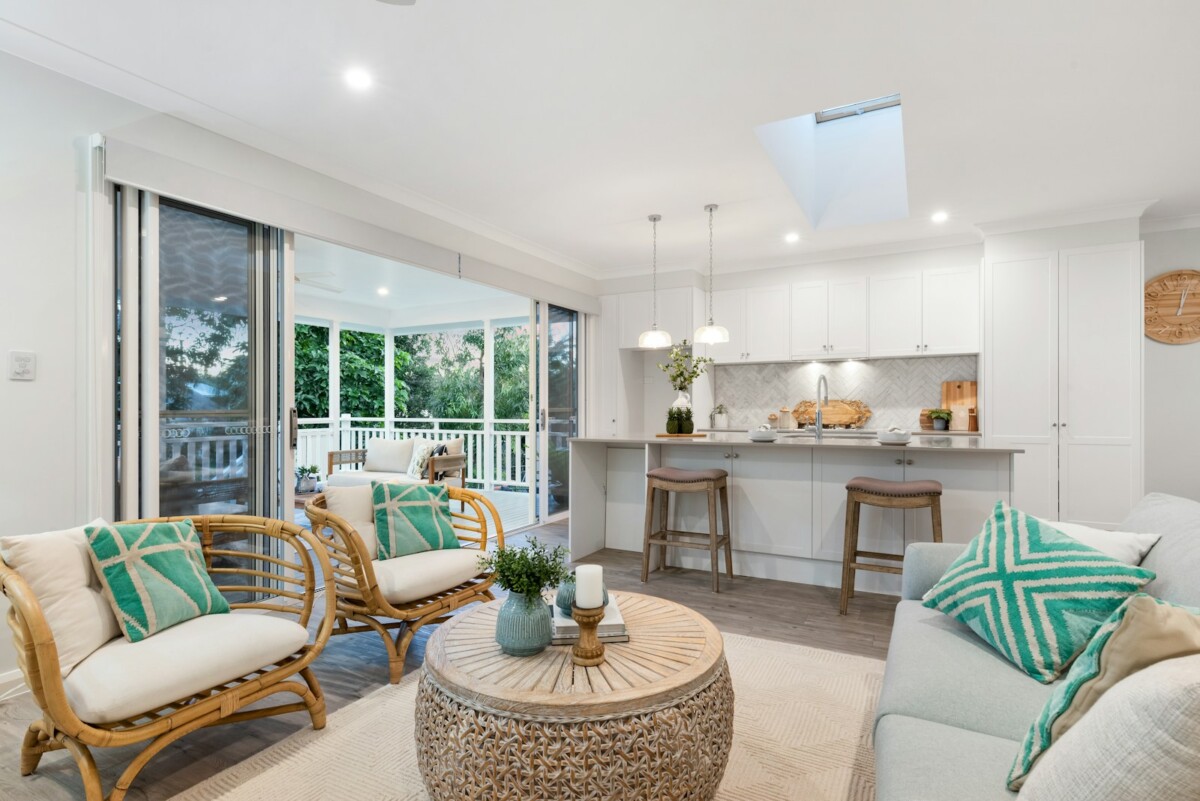
High ceilings are a highly sought-after architectural feature in many modern Australian properties. They offer a profound sense of grandeur, bathe the room in abundant natural light, and create stunning visual appeal for open-concept living. However, without the right styling approach, these expansive proportions can easily feel cold, cavernous, or even echoing. Interestingly, this is not just a matter of aesthetics. Research published in the Journal of Consumer Research demonstrates that variations in ceiling height prime specific psychological concepts in our minds, fundamentally altering how we process information and perceive the warmth or distance of our environment. To prevent your soaring ceilings from feeling sterile, you need to employ a few strategic design tricks.
1. Anchor the Space with Statement Lighting
In 2026, the Australian interior design scene has heavily embraced the concept of lighting as jewellery. Rather than simply illuminating a room, overhead fixtures now serve as emotionally resonant focal points. When you are dealing with a vast vertical expanse, selecting modern chandeliers for high ceilings provides a brilliant way to draw the eye upward while simultaneously lowering the visual roofline. This helps to ground the lofty proportions with a touch of nature-inspired luxury and refined elegance.
To ensure your lighting fixture does not look visually lost, designers rely on a few golden rules of scaling and placement:
- Allow 2.5 to 3 inches of chandelier height for every foot of ceiling height to maintain proper visual proportion.
- Ensure the base of the fixture maintains a minimum clearance of seven feet from the floor in open-concept areas or double-height foyers.
- Calculate the ideal diameter in inches by adding the length and width of the room in feet.
- Utilise integrated LED technology, which consumes up to 80 percent less energy while still delivering the immense lumen output required for high-volume spaces.
2. Implement Acoustic Strategies
High ceilings inherently exacerbate indoor noise pollution because sound waves travel much further than they do in standard rooms. These waves bounce continuously off hard surfaces, resulting in prolonged echoes that make a grand room feel incredibly uninviting. Beyond structural modifications like overhead acoustic clouds, interior designers frequently rely on heavy textiles to naturally absorb these bouncing sound waves.
Strategic acoustic treatments in open-plan residential spaces can cut ambient noise levels by 6 to 10 decibels. You can easily achieve this acoustic warmth by layering thick natural fibre rugs, installing heavy woven drapery from the ceiling to the floor, and opting for densely upholstered furniture like plush velvet sofas or oversized ottomans. These soft materials absorb echoes, instantly making the room feel softer and much more intimate for daily living.
3. Play with Colour and Proportions
Paint remains one of the most powerful and cost-effective tools for manipulating spatial perception. Painting a high ceiling a distinctly darker or contrasting shade than the surrounding walls draws the eye downward. This creates an immediate optical illusion that visually lowers the ceiling and fosters a more intimate, cocooning atmosphere.
Additionally, designers often apply the rule of thirds to excessively tall walls. By breaking the vertical space into three horizontal sections, you can easily humanise the scale of the room. You might install wainscoting on the bottom third, hang a gallery of curated artwork in the middle, and leave the top third completely bare. Adding exposed wooden beams across a vaulted ceiling also breaks up the empty visual expanse while introducing immediate textural warmth.
4. Embrace Immersive Biophilic Design
A prominent lifestyle trend for 2026 is immersive biophilic design, which actively uses nature-inspired textures to reduce household stress by up to 20 percent. Integrating organic elements helps bridge the gap between towering architecture and basic human comfort.
Tactile, earth-inspired materials are dominating current design preferences across Australia. Incorporating cast bronze details, ceramic decor, and organic glass fixtures helps ground airy rooms with honest, raw textures. Bringing tall indoor trees or large-scale potted plants into the space also fills vertical voids beautifully, reinforcing that calming, grounding connection to nature.
5. Curate Intentional Furnishings for Well-being
Ultimately, filling a large room is not about cluttering the space but about curating it with deep intention. Every piece of furniture, lighting, and decorative art should work together to bring harmony to your home’s unique proportions. As many interior enthusiasts know, the lifestyle benefits of creating a home you truly love are profoundly tied to how a space supports your daily well-being, improves functionality, and provides comfort.
By thoughtfully scaling your overhead lighting, addressing hidden acoustic challenges, and introducing organic textures, you can transform a cavernous building into a true sanctuary. High ceilings should be celebrated for their magnificent architectural beauty. With a few careful styling choices, they can quickly become the warmest, most inviting feature of your entire home.