The Dos and Don’ts of Dealing With Ingrown Hairs

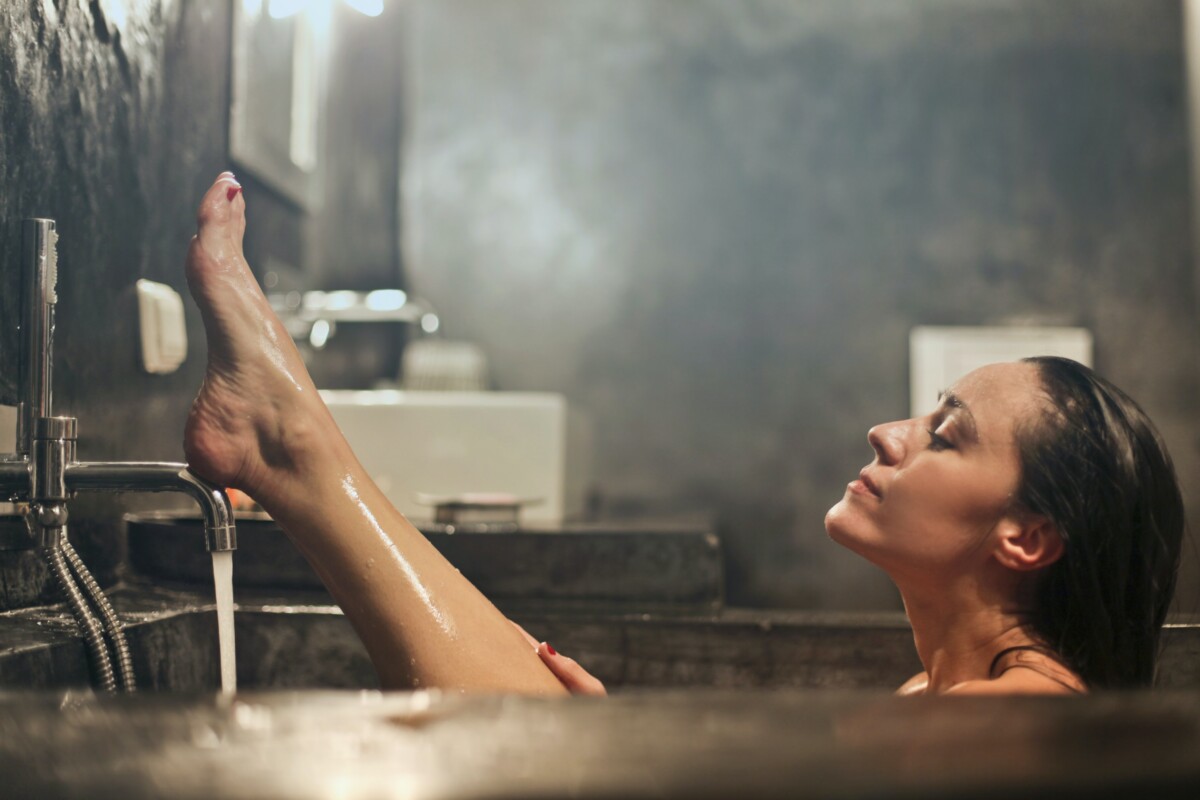
Ingrown hairs are unsightly, itchy, and in some instances, painful nuisances. They can occur anywhere in the body, especially where the skin is shaved or subjected to a lot of friction. Although most ingrown hairs can heal on their own and sometimes spontaneously dislodge, getting rid of them can be difficult.
As annoying as they are, these hair bumps are a common problem. There’s no guaranteed way to prevent them, so it’s best to learn how to deal with ingrown hairs. That way, you can avoid the likelihood of infection and other complications. To ensure proper healing, here are a few points to follow and avoid.
1. Do take a break from shaving.
One of the biggest misconceptions when dealing with ingrown hairs is to keep shaving as if there’s no issue. However, you need to understand that shaving is one of the culprits that cause ingrown hairs in the first place. This hair removal procedure isn’t bad per se.
But when the hair grows back, it tends to have a sharper angle that can easily poke back into the skin. You need to ditch the razors for a while until your ingrown hair heals. Otherwise, more ingrown hair bumps could appear on your skin. If this isn’t an option, then try not to shave so close to your skin.
2. Do consider laser hair removal.
If you’re prone to ingrown hairs but can’t seem to give up on de-fluffing, you may want to consider laser hair removal as an alternative. This procedure is much more expensive than other hair removal treatments, but it’s a long-lasting solution to ingrown hair issues. That’s because laser hair removal gets rid of hair at a deeper level.
The laser emits a light that penetrates through the skin, which heats up and damages the tunnel-shaped structures responsible for hair production. Destroying these sacs or hair follicles can prevent or delay future hair growth. Several treatment sessions, however, are required to experience their full benefits.
3. Do avoid tight clothing.
Dealing with ingrown hair is often a painful and uncomfortable experience. When ingrown hair develops, you may notice a raised red bump that looks like a little pimple called papules. Sometimes, it may develop into a pus-filled lump or pustules.
Wearing tight clothes and complicated underwear won’t help your situation. The constant skin rubbing can irritate the ingrown hair and even push it further under the skin. Try to avoid tight clothing and opt for soft cotton fabric or loose clothes. It will help your skin breathe and give your ingrown hairs a chance to heal.
4. Do exfoliate your skin gently.
Even when you’re already dealing with ingrown hairs, you still need to maintain your exfoliation routine. The build-up of dead skin is one of the causes of ingrown hairs. They can clog your hair follicles and trap the hair under the epidermis, causing ingrown.
As long as the area isn’t infected, you can gently exfoliate it regularly to remove the dead skin cells and other products blocking the pores. You can use a gentle scrub, sugar, baking soda, or over-the-counter remedies, such as a glycolic cleanser or non-greasy moisturiser. Do this once a week for the best results.
5. Don’t squeeze the bumps.
Whenever you have an angry red spot staring up at you, you may find yourself dying to squeeze it like a pimple. However, you must resist this temptation since you could end up pushing the hair deeper into the skin. You will only worsen your situation and possibly even spread the bacteria into the pores, resulting in an infection.
Try to be patient and allow the affected area to heal. Over-the-counter acne medicines containing benzoyl peroxide can help reduce the redness and dry up the bumps. You can also dilute tea tree oil with water to kill the bacteria and bring down the swelling.
6. Don’t dig under the skin or pull out ingrown hairs.
Forcefully yanking out an ingrown hair that is still under the skin is a no-no. If you dig under the skin, you might accidentally move it even deeper on your skin. It can cause dark spots or scarring and even an infection. It’s best to leave it be or coax the hair up and out using over-the-counter products to speed up the healing process.
Even if you see the looped hair growing into your skin, experts advise against pulling them on your own. There’s a risk of infection and other complications if you don’t use a sterile needle or tweezer and delicately lift it out of the embedded end. When in doubt, it’s best to leave it alone and contact a doctor.
Takeaway
Popping and picking out ingrown hairs will only increase the risk of infection or other complications. If you’re dealing with minor ingrown hairs, you can simply ignore them. They usually go away without you having to do anything. However, if you have a worsening condition or constantly suffer from ingrown hairs, consider making an appointment with a doctor. They can give you appropriate treatment options, such as laser hair removal.