How to Choose the Right Shampoo and Conditioner for Your Hair Type or Scalp Health

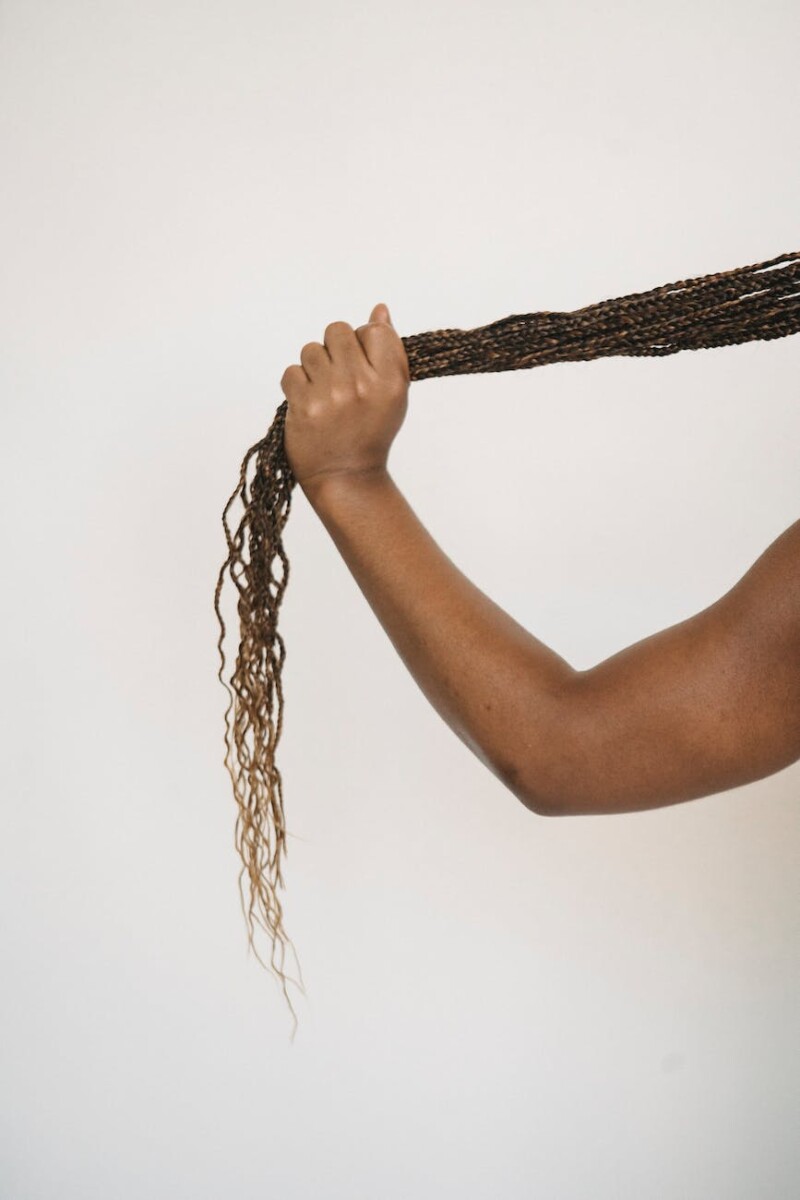
Picture this: you step into a supermarket or stroll down the endless aisles or scrolling on the internet only to be bombarded with a gazillion hair care products claiming to be “the one” for you. It’s like a hair care treasure hunt, and you’re determined to find the holy grail that makes your hair shine, bounce, and look effortlessly fabulous!

Photo by Element5 Digital
But fear not, in this hair-raising journey, I will walk you through the process step by step, so you can confidently select the best shampoo and conditioner duo that will leave your hair looking and feeling fabulous.
1. Know Your Hair Type
Understanding your hair type is the first step in selecting the right shampoo and conditioner for your hair care routine. Here’s a breakdown of the four main hair types:
- Straight Hair
Characteristics: Smooth and sleek with little to no natural curl or wave.
Texture: Can be fine or thick.
Styling: Often easy to manage and style.
- Wavy Hair
Characteristics: Hair with a natural “S” or “C” shape pattern, creating gentle waves.
Texture: Can range from fine to coarse.
Styling: May require some effort to define and maintain the waves.
- Curly Hair
Characteristics: Hair with well-defined curls or coils.
Texture: Often thicker and prone to frizz and dryness.
Styling: Requires specific care and products to enhance and maintain curls.
- Coily Hair
Characteristics: Very tight curls or coils in a zig-zag pattern.
Texture: Typically coarse and dense.
Styling: Requires extra moisture and care due to its natural dryness.
Identifying your hair type will help you choose products that cater to its specific needs and enhance its natural beauty.
2. Evaluate Your Scalp Health
Evaluating your scalp health is an essential step in choosing the right shampoo and conditioner for your hair care routine. A healthy scalp provides the foundation for strong and beautiful hair. Here’s how to assess your scalp health:
- Normal Scalp
A normal scalp is well-balanced, neither too oily nor too dry. If you have a normal scalp, you’re lucky! It means your scalp produces just the right amount of sebum (natural oil) to keep your hair and scalp moisturized without being greasy.
- Opt for mild and balanced shampoo and conditioner with honey infusion that maintain your scalp’s natural equilibrium.
- Consider using clarifying shampoos occasionally to remove any product buildup without over-stripping your scalp.
- Oily Scalp
If your scalp tends to become greasy quickly, you likely have an oily scalp. Excessive sebum production can make your hair appear oily and limp, often requiring more frequent washing.
- Look for clarifying shampoos that can effectively remove excess oil and residue without drying out your scalp.
- Avoid heavy or oil-based conditioners, and focus on applying conditioner mainly to the ends of your hair to avoid adding unnecessary oil to your scalp.
- Dry Scalp
A dry scalp lacks sufficient natural oils, leading to dryness, itchiness, and flakiness. It can be caused by various factors, including environmental conditions, harsh hair products, or certain skin conditions.
- Choose moisturizing and nourishing shampoos and conditioners that can help hydrate and soothe your scalp.
- Think of using leave-in conditioners or scalp treatments with ingredients like aloe vera or tea tree oil to alleviate dryness and itchiness.
- Combination Scalp
Some people have a combination scalp, where certain areas of the scalp are oily while others are dry or normal. This can make hair care a bit more challenging as you need to cater to both types of scalp conditions.
- Use gentle shampoos that balance both dry and oily areas of your scalp.
- Apply different products to different areas of your scalp as needed. For example, use a lightweight conditioner on oily areas and a richer conditioner on dry areas.
Remember that scalp health can change due to various factors, including climate, hormones, stress, and lifestyle. Pay attention to any changes in your scalp condition and adjust your hair care routine accordingly. Regular scalp massages and a healthy diet can also contribute to maintaining a happy and healthy scalp.
3. Look for Sulfate-Free Formulas
Sulfates are harsh detergents commonly found in shampoos that can strip away natural oils and cause dryness, particularly for those with sensitive or dry scalps. Opt for sulfate-free shampoos to maintain a balanced scalp and avoid potential irritation.
4. Experiment and Sample
Finding the perfect match might require some trial and error. Consider getting samples or smaller sizes to try before committing to a full-sized product.
4. Consider Your Hair Concerns
By identifying and addressing your hair concerns, you can tailor your hair care routine to effectively meet your specific needs. Remember to be patient and consistent with your chosen products, as it may take time to see noticeable improvements.
Additionally, consider incorporating a healthy lifestyle, a balanced diet, and regular trims to keep your hair in its best condition. Embrace your unique hair concerns, and with the right care, you can achieve the hair of your dreams!
- Damaged Hair: Look for products enriched with ingredients like keratin, argan oil, or shea butter to repair and nourish damaged hair.
- Color-Treated Hair: If you’ve dyed your hair, choose products specifically formulated for colored hair to preserve the color and prevent fading.
- Dandruff or Itchy Scalp: Address these issues with anti-dandruff shampoos containing active ingredients like zinc pyrithione, selenium sulfide, or ketoconazole.
5. Moisture and Hydration
Moisture and hydration are essential for maintaining healthy and lustrous hair. Properly moisturized hair is more manageable, less prone to breakage and shedding, and looks and feels soft and shiny. Here’s how to ensure your hair gets the moisture it needs:
- On dry hair or scalp, it’s crucial to use products that provide deep hydration and nourishment. Look for shampoos and conditioners that contain moisturizing ingredients like glycerin, coconut oil, shea butter, or hyaluronic acid to replenish lost moisture.
- If your hair is oily, it still requires proper hydration. The key is to strike a balance to avoid overloading it with heavy products. Choose lightweight, water-based shampoos and conditioners that won’t weigh down your hair or add extra grease.
- Regardless of your hair type or scalp condition, incorporating deep conditioning treatments into your routine can benefit your hair immensely.
- Hair oils and serums can also help seal in moisture and add shine to your hair. Use a small amount of hair oil or serum on the mid-lengths and ends of your hair to avoid making the roots greasy.
6. Fragrance and Additives
While pleasant scents and additional ingredients can enhance the overall appeal of shampoos and conditioners, they may not be suitable for everyone. Some people may prefer fragrance-free or hypoallergenic products, especially if they have sensitive skin or allergies.
Choosing hair care products with appropriate fragrances and additives is a matter of personal preference and individual sensitivities. Whether you enjoy the aromatic experience of scented products or prefer a more minimalist approach, there are plenty of options available to cater to your hair care needs.
Always read the labels, and if you have any concerns about specific ingredients, consult with a dermatologist or a hair care professional for personalized recommendations.
In conclusion, choosing the right shampoo and conditioner for your hair type and scalp health doesn’t have to be an overwhelming task.
Armed with the knowledge of your hair type, scalp condition, and specific concerns, you can confidently navigate the sea of hair care products and pick the perfect duo that will keep your hair looking its best. So go ahead, treat your tresses to some much-needed TLC, and embrace the journey to healthier, more beautiful hair!