The Dining Room That Earns Its Space: Choosing Furniture for Real Life, Not Just Dinner

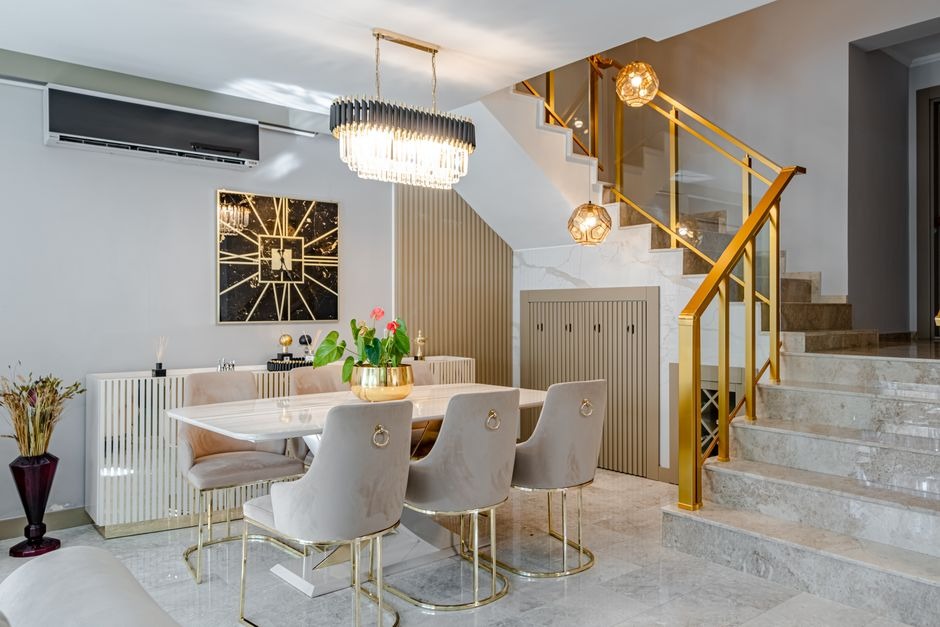
A dining room may be named for one activity, but most homes ask much more of it. The table can host breakfast in the morning, laptops in the afternoon, dinner at night, and a crowd during holidays. In smaller homes, the same area may also function as a workspace, homework station, game table, or informal meeting place.
That makes choosing furniture less about assembling a matching set and more about designing a room around movement and habits. The best pieces should look appropriate together, but they also need to fit the available space, survive regular use, provide enough storage, and adapt when the number of people around the table changes.
Start With What Actually Happens Around the Table
Before comparing finishes or chair styles, make a list of what the room does during a normal week. A household that eats together every evening has different needs from someone who mostly uses the table for weekend entertaining. Families may need wipeable surfaces, while frequent hosts might care more about expandable seating.
Thinking this way makes dining room furniture easier to evaluate because each piece has a job. Tables come in different shapes, sizes, heights, materials, and finishes, while seating can include conventional chairs or benches. Storage pieces such as buffets, servers, curios, and china cabinets can also solve practical problems when dinnerware or serving pieces need a permanent home.
The right starting point is therefore not a particular style. It is the life the room needs to support.
Measure the Empty Space, Then Measure the Movement
A table can technically fit inside a room and still be far too large for it. Chairs need space to pull back, people need room to pass behind seated diners, and doors or cabinets must be able to open without creating a daily obstacle course.
Measure the room before shopping, but also map the routes people use. Notice entrances, windows, radiators, floor vents, built-ins, and nearby kitchen traffic. Painter’s tape can help outline a prospective table on the floor so its real footprint becomes easier to understand.
This simple exercise can prevent one of the most common furnishing mistakes: choosing a table for its visual impact and discovering later that the room feels cramped whenever everyone sits down.
Let Table Shape Solve a Spatial Problem
Rectangular tables remain popular because they suit many longer rooms and can accommodate larger groups efficiently. They are not automatically the best answer everywhere.
A round table can make conversation easier and eliminate sharp corners in a compact area. Square tables can suit similarly proportioned rooms, while oval designs soften the outline of a rectangular table and may improve circulation around its ends.
Shape should respond to both architecture and household habits. Instead of asking which shape is most fashionable, ask where people will sit, how they will walk around it, and whether the table needs to expand for guests.
Choose Seating for the Longest Meal
A chair can look excellent for five minutes in a showroom and become uncomfortable halfway through dinner. Seat depth, back support, height, upholstery, and arm placement all affect how it feels over time.
Consider who uses the room most. Upholstered seating can add comfort and softness, but households with young children may prioritize materials that are easier to clean. Armchairs can create presence at the ends of a table, although they generally require more space.
Benches are another useful option. They can fit several people without creating a row of chair backs and may tuck beneath some tables when not in use. For frequent formal dining, however, individual chairs may provide more consistent comfort.
Treat Storage as Part of the Floor Plan
Dining rooms collect objects: serving bowls, linens, candles, glassware, extra dishes, and items used only when guests arrive. Without dedicated storage, those things often migrate into already crowded kitchen cabinets.
A buffet or server can keep frequently used pieces close to the table while providing a surface for serving food or displaying decorative objects. A china cabinet or curio can make sense when the household owns collections worth displaying.
Storage should earn the floor space it consumes. Measure door and drawer clearance, consider what will actually go inside, and avoid buying a large cabinet simply because an empty wall seems to need something.
Mix Materials Without Making the Room Feel Random
A dining room does not need to look as though every piece arrived in one box. In fact, combining materials can give the space more depth.
A wood table might work with upholstered chairs, metal lighting, and a painted storage piece. The key is repetition. If black metal appears on chair frames, echoing that tone in lighting or hardware can make the combination feel deliberate. Repeating a wood tone or fabric color can create the same effect.
Avoid trying to make almost-matching finishes pretend they are identical. Intentional contrast usually looks more convincing than several wood tones that are close but visibly different.
Plan for the Guest Count You Really Have
It is tempting to furnish a dining room for the largest gathering imaginable. That can leave a household living around an oversized table for the other 360 days of the year.
Instead, prioritize the number of people who use the room regularly and create a strategy for occasional guests. An extension table can provide extra surface area when needed. Spare chairs can live elsewhere in the house, and a bench may offer flexible seating without requiring multiple permanent chairs.
This approach keeps the room comfortable during ordinary life while preserving the ability to host. A dining area should not feel like a banquet hall waiting for an annual holiday.
Finish the Room Around Comfort, Not Decoration
Once the major furniture is chosen, lighting, rugs, and accessories can help the room feel complete. These finishing elements should support the furniture rather than compete with it.
A light fixture can visually anchor the table, while a rug can define the dining zone in an open-plan home. If using a rug, make sure it is large enough for chairs to remain on it when pulled away from the table. Artwork and decorative objects can add personality without crowding surfaces needed for meals.
The final test is simple: can people sit down, move comfortably, reach what they need, and enjoy spending time there?
Choosing dining furniture becomes much easier when the room is treated as a working part of the home rather than a display area. Start with everyday behavior, then use measurements, table shape, seating, storage, materials, and flexible capacity to support it.
Style still matters. Furniture should create an atmosphere that feels appropriate to the home and enjoyable to live with. But appearance works best when it rests on practical decisions.
A beautiful dining room that is awkward to use eventually becomes a room people avoid. A thoughtfully furnished one earns its square footage repeatedly—during ordinary breakfasts, busy afternoons, relaxed dinners, and the occasions when extra chairs finally come out.