How to Plan the Ultimate Luxury Business Trip to Tokyo

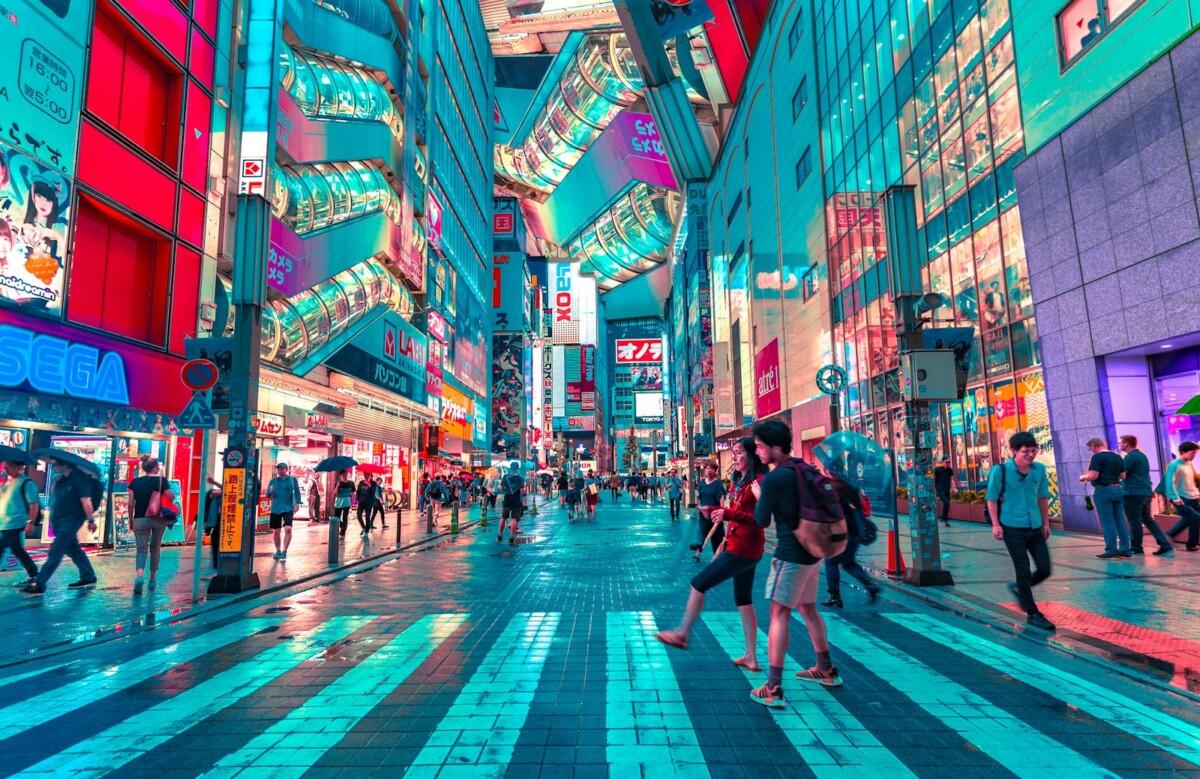
Tokyo is a city where hyper-modern efficiency meets deep-rooted tradition, making it one of the most dynamic business hubs in the world. The Japanese corporate travel market is currently booming, projected to experience significant growth well into the next decade as global markets continue to interconnect. For international executives, visiting this sprawling metropolis offers an incredible opportunity to close deals while indulging in world-class culinary and cultural experiences. However, planning a trip that balances high-stakes negotiations with premium lifestyle elements requires careful preparation. From navigating complex logistics to understanding nuanced cultural expectations, curating a flawless itinerary is essential for any high-level professional.
Navigating the Metropolis with Ease
Arriving in Tokyo sets the tone for your entire visit. With the Southern-Kanto region seeing immense visitor numbers every year, navigating the initial transit from Narita or Haneda airports can be overwhelming. High-end airport concierge services are highly recommended. These exclusive teams offer fast-track immigration and private tarmac transfers, allowing executives to bypass lengthy terminal queues entirely and start their trip on a stress-free note.
Once you are in the city, relying on standard taxis can be unpredictable for a tight schedule. Just as seasoned executives recognize the importance of securing premium private driver services in Bangkok for luxury travelers upon landing in Thailand, arranging a dedicated chauffeur in Tokyo is equally critical. Luxury fleets frequently utilize premium vehicles like the Lexus LM, providing English-speaking drivers who can seamlessly navigate the capital’s complex roadways while you prepare for your morning appointments in the back seat.
Securing the Right Corporate Venues
Despite the global shift toward remote work, in-person meetings remain the absolute lifeblood of relationship building in Japan. Direct contact is heavily favored to establish long-term trust, and booking a sophisticated hotel meeting space provides the perfect professional backdrop for these essential face-to-face interactions. Major Japanese travel agencies have recently reported a strategic pivot toward international business arrivals specifically because of the high value placed on these upscale, in-person negotiations. Hosting your partners in a refined venue without leaving your home base demonstrates profound respect for their time while keeping your own rigorous schedule perfectly intact.
To further eliminate the stress of commuting across the city for a presentation, savvy professionals ensure their chosen venues offer comprehensive amenities. Access to state-of-the-art presentation technology, sophisticated culinary catering, and dedicated on-site support staff are non-negotiable elements for a successful corporate gathering. The right environment can seamlessly bridge cultural gaps and set a positive tone for high-stakes negotiations. When you provide a seamless and impressive experience for your guests, you instantly elevate your brand reputation in a highly competitive market.
Mastering Japanese Business Etiquette
Closing a deal in Tokyo requires more than just a solid pitch or an impressive venue. Cultural nuances play a massive role in corporate success. Understanding and respecting local customs will immediately set you apart as a thoughtful and reliable partner. Keep in mind that Japanese business culture heavily emphasizes harmony and mutual respect.
Here are a few essential etiquette rules to keep in mind:
- Exchange cards with respect: Exchanging business cards, known as “meishi,” is a vital corporate ritual. Always present and receive cards with both hands. Treat the card as a physical representation of the individual, taking a moment to read it carefully before placing it on the table.
- Prioritize extreme punctuality: In Japanese business culture, arriving exactly on time is often considered late. Local professionals view arriving five to ten minutes early as the standard baseline for reliability.
- Observe hierarchical cues: Acknowledge corporate hierarchy during negotiations. For instance, allow the highest-ranking attendees to initiate actions, such as taking the first sip of tea served during a meeting. This subtle gesture is a crucial sign of respect.
Extending Your Stay: The Bleisure Experience
The lines between work and leisure have blurred significantly in recent years. More executives are realizing that a long-haul flight to Asia is the perfect excuse to explore the region. In fact, major business publications report that bleisure travel is exploding as modern professionals seek to maximize their international trips. Recent hospitality data reveals that 84 percent of corporate travelers now want to include vacation time in their busy itineraries, turning a standard work trip into a rejuvenating lifestyle escape.
Tokyo is uniquely equipped to cater to this growing trend. After your meetings conclude, different districts offer highly curated and distinct experiences. The Marunouchi district, located adjacent to the Imperial Palace, serves as a premier cosmopolitan hub for luxury shopping and dining. Wandering through the upscale boutiques of Omotesando or enjoying a private traditional tea ceremony in a historic garden can provide much-needed mental clarity after days of intensive corporate strategy sessions. For evening entertainment, Ginza functions as an elite corporate center by day and transforms into a high-end culinary destination by night, offering hidden sushi restaurants and chic whisky bars perfect for hosting client dinners.
If you want to escape the city entirely, specialized private transport services can facilitate direct VIP connections from central Tokyo to elite coastal resort towns like Atami. This effortless transition turns a two-hour transit into a luxury extension of your trip. By blending flawless logistics, cultural respect, and premium leisure, your next business trip to Tokyo can easily become an unforgettable experience that benefits both your company and your personal well-being.