How to Create a Home That Fits Your Lifestyle

We live in an age where everything is personalized — from playlists curated by algorithms to your coffee order with three specific adjectives. But when it comes to our homes, many of us still settle for spaces that barely fit our lives. If the pandemic taught us anything (besides how much we can hate sourdough starters), it’s that our homes need to support our lifestyles, not constrain them.

Designing a home that actually works for you is about more than following trends on Pinterest. It’s about creating spaces that reflect how you live, work, and relax. Your home should be your ally, not an obstacle course.
Focus on the Spaces You Use Most
Every home has that room no one enters — the formal dining room collecting dust or the guest bedroom you’ve turned into a storage unit. While these spaces stagnate, the rooms you do use are probably doing double or triple duty. Your kitchen might also be a homework zone. Your bathroom might double as a retreat from the chaos.
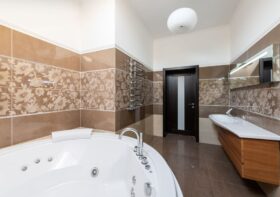
If your bathroom is outdated, cluttered, or inefficient, it might be time for a refresh. The good news is that bathroom remodeling isn’t just about aesthetics — it’s about function. Imagine starting your day in a space where everything has its place. No more juggling toiletries on a too-small counter or dealing with faucets that leak like they’re auditioning for a water park. A well-designed bathroom can shave minutes off your morning routine, reduce stress, and actually make you want to spend time there.
Think of your bathroom as more than just a pit stop. It’s where your day begins and ends. Creating a functional, beautiful space that meets your needs is one of the best investments you can make. Plus, who doesn’t want to feel like they’re stepping into a mini-spa instead of a cluttered closet every morning?
Refreshing the spaces you use most doesn’t require a massive budget. Sometimes it’s as simple as reorganizing the layout, upgrading fixtures, or adding better storage solutions. The goal is to make these high-traffic areas work seamlessly for your daily routine.
Stop Copying, Start Customizing
Scrolling through social media, it’s easy to get swept up by perfectly styled interiors. You see a minimalist living room with pristine white walls and think, Yes! That’s what I need! But fast-forward a week, and your reality looks more like a laundry avalanche with a rogue sock army. The truth is, someone else’s ideal home may not match your life.
Instead of copying trends, figure out what you need. Do you work from home and need a space that’s Zoom-call-ready but also kid-proof? Or maybe your weekends revolve around cooking elaborate meals, and a functional kitchen is more important than a showy living room. Understanding your daily habits and quirks is the first step toward designing a home that doesn’t feel like a set from a design show, but an actual, livable space.
And remember: a home designed for someone else’s life will always feel uncomfortable. It’s like wearing someone else’s shoes — technically possible, but never quite right. Customizing doesn’t mean splurging on expensive renovations; it means making intentional changes that reflect your needs and preferences. If you’re a book lover, create a cozy reading nook. If you’re into fitness, make space for a home gym, even if it’s just a corner with some weights and a yoga mat.
Make Flexibility Your Best Friend
The way we use our homes is constantly changing. One day your living room is a cozy place to binge-watch your favorite shows; the next, it’s your temporary office because your Wi-Fi works best near the couch. Designing a home that fits your lifestyle means embracing flexibility.
Multipurpose furniture is a great way to adapt. A coffee table with hidden storage can hide your kid’s art supplies. A fold-out desk can disappear when the workday is over. And let’s not forget the humble ottoman that doubles as seating and storage. Flexibility doesn’t just save space — it makes life easier.
Consider the broader trend toward adaptable spaces. As remote work and hybrid schedules continue to blur the line between work and home, having rooms that can adjust to different needs isn’t just convenient — it’s essential. Flexibility means your home evolves with you, not against you.
Think about creating zones in your home that can shift based on your needs. A dining room table can be a workspace by day and a family dinner spot by night. A guest room can double as a home office with a well-placed desk and a fold-out bed. The more adaptable your spaces, the easier it is to maintain a smooth daily routine.
Declutter, but Keep the Essentials
The minimalist trend tells us to throw everything out. But unless you’re living in a Zen monastery, that advice isn’t always practical. Instead of ditching everything, aim for intentionality. Keep what serves a purpose or brings you joy (yes, Marie Kondo still has a point).
Clutter isn’t just physical; it’s mental. A home filled with things you don’t need can drain your energy and make your daily routine feel harder than it needs to be. When your space is curated thoughtfully, it feels like a reflection of who you are, not just a place where stuff collects.
Start with one room. Clear out what doesn’t serve you and see how it changes the way you feel. The goal isn’t an empty space — it’s a space that feels intentional and supportive.
In the end, your home isn’t just a container for your stuff. It’s a partner in your daily life, shaping your mood, productivity, and well-being. When it’s designed to fit your lifestyle, everything feels a little easier.
It doesn’t have to be perfect, but it should work for you. Whether it’s a functional bathroom, a flexible living room, or a kitchen that makes cooking a joy rather than a chore, thoughtful changes can turn your home into a place that truly supports your life.
Because when your home fits your lifestyle, it stops being a source of frustration. Instead, it becomes what it should be: your sanctuary, your launchpad, and your comfort zone.